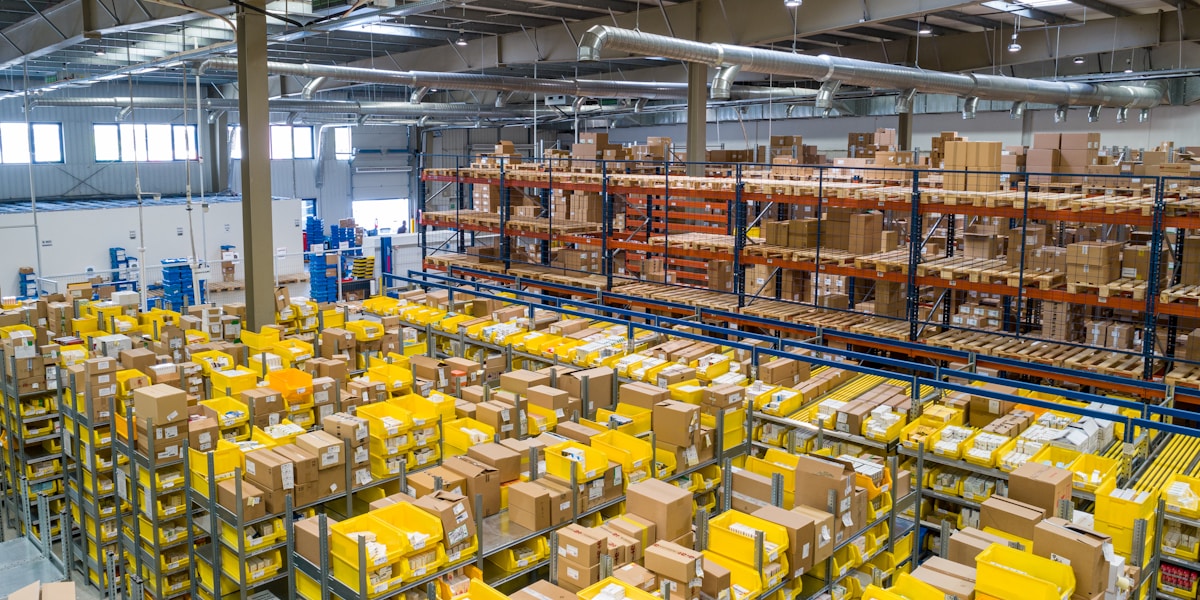
The electronics manufacturing industry has faced unprecedented supply chain challenges in recent years. From semiconductor shortages to geopolitical disruptions, companies have learned that supply chain resilience is not optional—it's essential for survival. Here are the strategies that successful electronics manufacturers are employing to build more robust supply chains.
The disruptions of recent years have fundamentally changed how companies think about supply chain management. The just-in-time model that dominated electronics manufacturing for decades, while efficient in stable times, proved brittle when faced with simultaneous shocks to multiple supply chains. The companies that navigated the disruptions most successfully were those with diversified sourcing, strategic inventory positions, and strong supplier relationships.
Understanding Supply Chain Vulnerabilities
Before building resilience, companies must understand where their vulnerabilities lie. For electronics manufacturers, several categories of risk are particularly significant.
Concentration risk is perhaps the most common vulnerability. When all critical components come from a single supplier or region, any disruption to that supplier or region cascades through the entire supply chain. The semiconductor industry, concentrated in a few geographic regions and controlled by a small number of companies, exemplifies concentration risk.
Single-source components create another category of vulnerability. Many electronic components, particularly specialized integrated circuits, are available from only one manufacturer. When these components become unavailable, production stops regardless of the availability of all other parts.
Long lead times introduce forecast risk. When component lead times extend to 52 weeks or more, demand forecasts become increasingly speculative. Over-forecasting results in excess inventory and working capital constraints; under-forecasting causes shortages and lost sales.
Strategies for Building Resilience
Reducing concentration risk through supplier diversification is the most fundamental resilience strategy. For each critical component, companies should identify and qualify alternative suppliers capable of providing equivalent quality and performance.
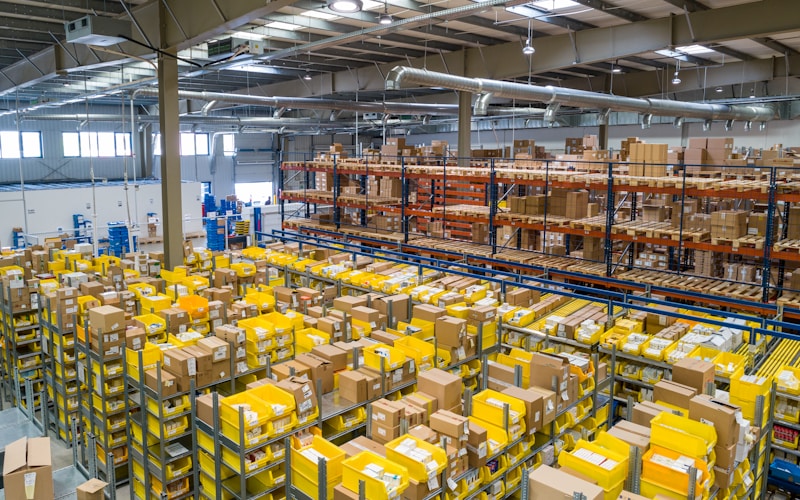
Supply chain diversification and resilience strategies
Supplier Diversification
True diversification requires ongoing investment in supplier relationships. Alternative suppliers must be engaged before they're urgently needed—they need ordering volume to maintain their capabilities and their commitment to serving your company. Treating alternative suppliers as emergency backup rather than strategic partners undermines diversification benefits.
Geographic diversification complements supplier diversification. While complete geographic diversification may not be practical, spreading supplier concentration across multiple regions reduces exposure to regional disruptions. The goal is not eliminating geographic concentration but understanding and actively managing it.
Strategic Inventory Management
The traditional just-in-time model minimized inventory but maximized vulnerability. Many companies are now adopting more balanced approaches that maintain strategic inventory positions for critical components while avoiding excess inventory for commoditized items.
Risk-adjusted inventory strategies recognize that different components have different levels of criticality and supply risk. Components with limited suppliers, long lead times, or high substitution difficulty warrant higher safety stock levels. Standard components with multiple sources and short lead times can be managed with minimal inventory.
Inventory sharing arrangements with customers and suppliers can improve resilience while reducing total inventory in the system. When customers commit to purchase forecasts and share demand visibility, suppliers can plan production more effectively and customers can reduce their safety stock requirements.
Design for Supply Chain Resilience
Product design decisions made early in the development process significantly impact supply chain resilience. Components selected during initial design determine supply chain characteristics for the product's entire lifecycle.
Component selection criteria should include supply risk assessment alongside technical and cost considerations. When multiple components can satisfy technical requirements, the one with the healthier supply chain should be preferred. This "design for supply chain" approach embeds resilience in products from the beginning.
Modular architectures reduce the impact of component shortages. When a specific component becomes unavailable, modules using that component can be redesigned or substituted without affecting the entire product. This approach trades some optimization for reduced supply chain fragility.
Supply Chain Visibility and Collaboration
Effective supply chain management requires visibility beyond immediate suppliers. Understanding tier-2 and tier-3 suppliers—the suppliers' suppliers—provides early warning of potential disruptions and enables proactive mitigation.

Digital supply chain visibility and collaboration
Digital tools for supply chain visibility have matured significantly. Blockchain-based traceability, AI-powered risk monitoring, and real-time supplier connectivity platforms all contribute to improved visibility. Investment in these tools pays dividends through faster disruption detection and more effective response.
Collaboration with suppliers and customers builds resilience through shared information and aligned incentives. When suppliers understand your requirements and constraints, they can better plan their production and prioritize your orders. When customers share their demand forecasts and constrain requirements, you can optimize your own inventory and production planning.
The Human Element
Technology and processes are essential elements of supply chain resilience, but the human element is equally important. Supply chain professionals with deep expertise in their domains—understanding component markets, supplier capabilities, and logistics networks—bring judgment that no algorithm can replicate.
Building and retaining this expertise requires investment in training, career development, and appropriate compensation. The supply chain disruptions of recent years have highlighted the value of experienced supply chain professionals, and competition for this talent has intensified.
Cross-functional collaboration between engineering, manufacturing, and supply chain functions is essential. Decisions made in one function have implications for others—design changes affect component availability, supply constraints influence product roadmaps, manufacturing schedules impact inventory requirements. Organizations that break down functional silos and enable effective collaboration are better positioned to navigate supply chain challenges.
Building for the Future
The supply chain challenges of recent years have accelerated investments in resilience that might otherwise have taken decades. Companies that emerge from this period with stronger, more resilient supply chains will be well-positioned for future growth. Those that return to pre-disruption practices will remain vulnerable to the next disruption.
Supply chain resilience is not a destination but an ongoing journey. The risks that seemed hypothetical in 2019 have proven real and severe. New risks—whatever form they take—will emerge. Organizations that build resilience into their fundamental operating models will adapt more effectively to whatever challenges arise.
Partner with a Resilient PCB Manufacturer
YS CIRCUIT is committed to supply chain excellence.
Learn About Us